Market Opportunity · West Africa
A young, fast-growing region.A bridge worth building.
West Africa is building roads, ports, power plants and cities at a pace few regions can match, and China manufactures much of what it needs. The demand and the supply are both real. What decides whether they meet is understanding: the culture gap this page is about, and the one we exist to cross.
The Region at a Glance
Four numbers that explain the opportunity.
ECOWAS & the Single Market
One regional bloc. One continental market behind it.
The Economic Community of West African States is the region's main economic bloc. In January 2025 Mali, Burkina Faso and Niger left, and ECOWAS now has twelve members: Benin, Cabo Verde, Côte d'Ivoire, The Gambia, Ghana, Guinea, Guinea-Bissau, Liberia, Nigeria, Senegal, Sierra Leone and Togo. Before the exit, the bloc counted about 420 million people and roughly US$760 billion of GDP (2022), most of it Nigeria.
Beyond ECOWAS sits the African Continental Free Trade Area (AfCFTA): about 1.4 billion people and a combined GDP reported at around US$3.4 trillion, with intra-African trade reported near US$220 billion in 2024. Each tariff barrier that falls and each border crossing that gets easier increases the demand for industrial goods, and for partners who know how to move them.
Economic Growth
Several economies are growing at twice the global pace.
Regional growth is steady at around 4–5% a year, and the leaders are well ahead of it. New oil and gas output, large infrastructure programmes and resilient domestic demand are the main drivers. Growth is uneven, which is exactly why local knowledge matters when choosing where and how to trade.
Estimates differ by institution: PwC projects about 4.2% regional growth for 2026, against the African Development Bank's 4.7%.
GDP growth, 2025 (%)
Source: ECOWAS Bank for Investment and Development (EBID), reported by Ecofin Agency.
West Africa population (millions)
Source: UN World Population Prospects 2024 (medium variant).
Demographics & Urbanisation
The youngest large region on earth is moving to the city.
With a median age of about 18, West Africa has a huge and growing workforce and consumer base. About half the population (50.5%) already lives in cities, and the OECD's Sahel and West Africa Club projects the region's urban population reaching around 436 million by 2050, making it Africa's most populous urban region.
Every new city needs housing, water, power, roads, transport and factories. That is a decades-long pipeline of demand for exactly the industrial products and services we trade.
China & West Africa
The trade is booming. The supply chain is still being built.
China–Africa trade hit a record US$348 billion in 2025, up 17.7%. Chinese exports to Africa rose almost 26% to US$225 billion, led by machinery, electrical equipment and solar power. Nigeria alone received a record US$24.9 billion of Chinese exports, up from US$18.9 billion a year earlier.
The categories line up with West Africa's needs: construction machinery shipments to Africa rose 63% in the first seven months of 2025, Africa imported about 15 GW of Chinese solar panels in the year to June 2025, and Chinese firms won an estimated US$30.5 billion of African construction contracts in the first half. Volumes like these also mean more mismatched orders, delayed shipments and disputes when buyer and seller don't understand each other.
China–Africa trade, 2025 (US$ bn)
Chinese exports to Nigeria (US$ bn)
Sources: NTU Singapore Centre for African Studies (China customs data); BusinessDay.
The Infrastructure Gap
Billions of dollars of demand waiting to be met.
Africa's infrastructure needs are estimated at US$130–170 billion a year, leaving an annual financing gap of roughly US$68–108 billion. For ECOWAS alone, studies cited by the regional development bank EBID put the shortfall at US$50–100 billion a year.
The gaps are visible on the ground: about half of the region's roads are not paved or properly developed, and while Ghana and Côte d'Ivoire have electrification near 70%, most member states are below 50%. Projects are moving: EBID approved US$100 million in 2025 for the first 47.7 km of Nigeria's Lagos–Calabar coastal highway, and each one needs equipment, materials and logistics delivered to specification and on time.
Why Dubai
The Gulf is becoming Africa's trading partner of choice.
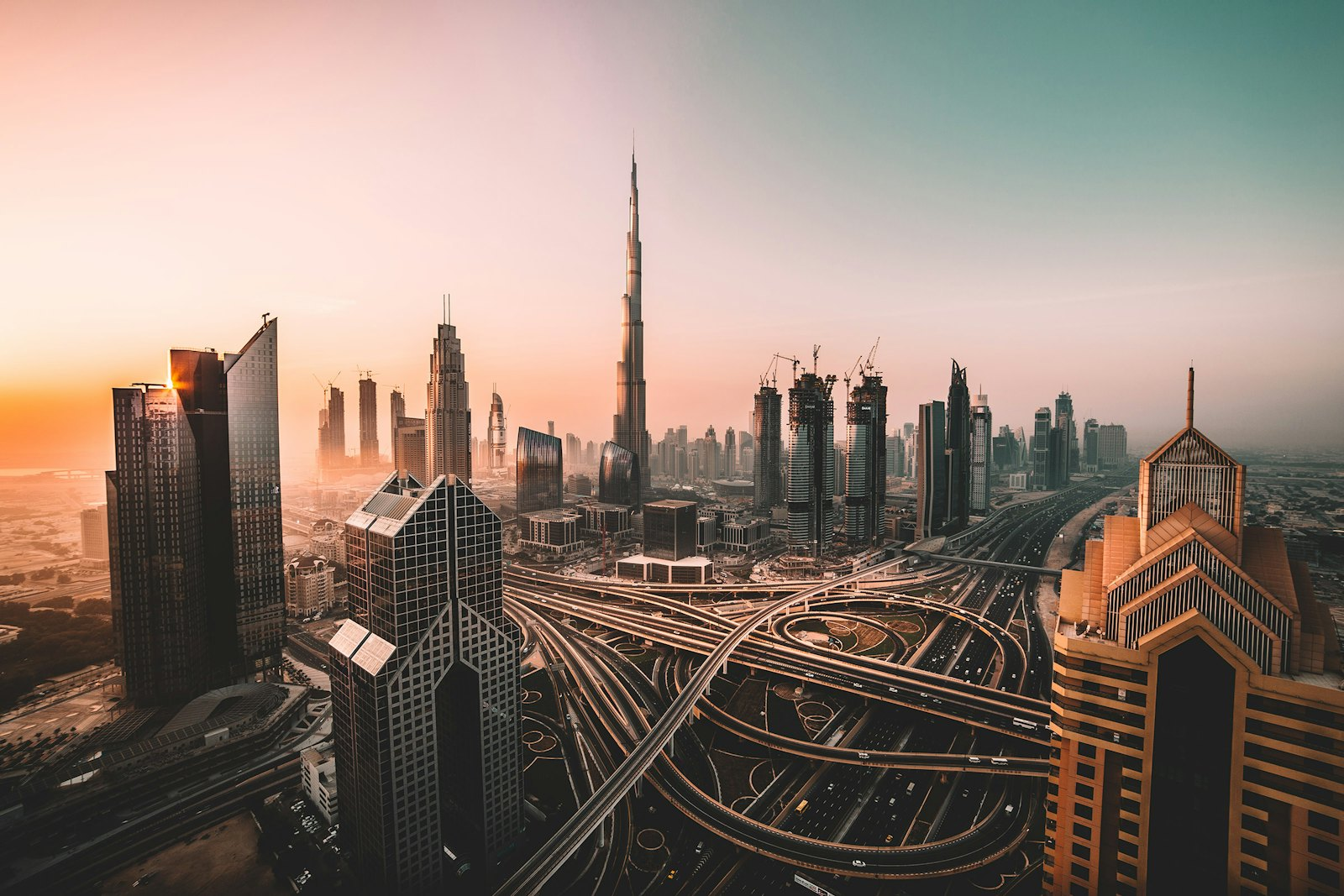
UAE non-oil trade with Africa reached a reported US$158 billion in 2025, up 41.6% on the year, lifting Africa from 10.8% of UAE non-oil trade in 2019 to 15.5%. Dubai's own non-oil trade with Africa was reported at about US$146 billion, and more than 30,000 African companies were active members of the Dubai Chamber of Commerce. UAE–Senegal trade alone grew 24.5% to about US$1.3 billion.
Dubai is a natural meeting place for Chinese manufacturers and West African buyers: neutral ground, world-class logistics and banking, and a culture of doing business across cultures. It is the gateway from which we run our services for exactly that reason, while the goods themselves travel directly from China to West Africa.
Where the Opportunity Is
Seven sectors where demand and supply meet.
Energy & Power
Grid expansion, transformers, generators and solar. Unreliable supply is pushing businesses and households toward Chinese-made solar and storage.
Construction & Roads
Coastal highways, housing and city expansion drive demand for earthmoving machinery, steel, cement and building materials.
Ports & Logistics
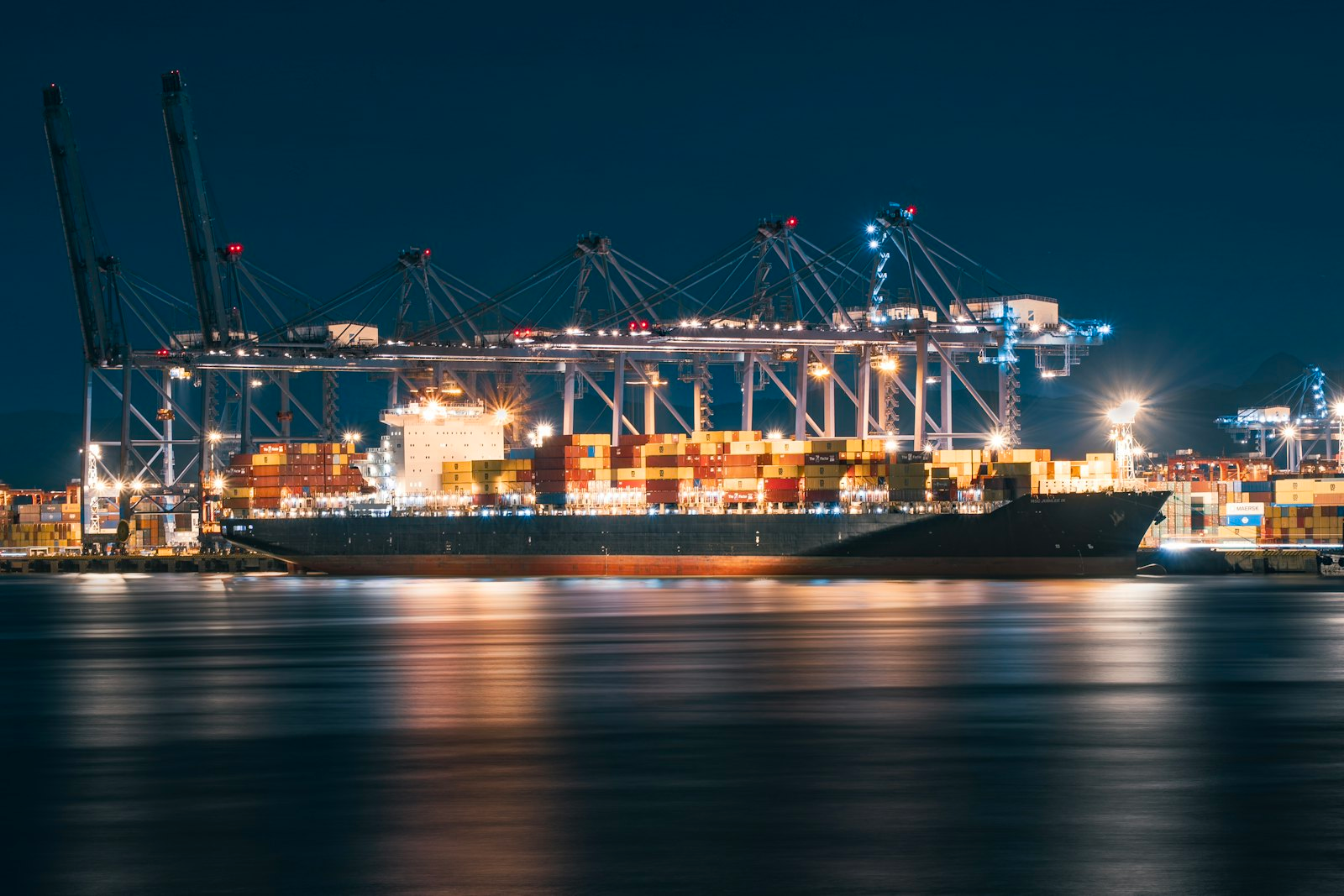
Growing trade volumes need cranes, handling equipment, warehousing and freight services along West Africa's coast.
Mining & Extraction
Mineral and energy projects across the region require heavy equipment, spare parts and specialist industrial services.
Oil & Gas
Compressors, pumps, valves, pipeline and processing equipment for upstream, midstream and gas projects. New oil and gas output is one of the main drivers of regional growth, and Senegal’s energy projects helped make it West Africa’s fastest-growing economy in 2025.
Specialty Equipment
Engineered and application-specific equipment that standard catalogues don’t cover, often built to order. This is where precise specifications, and agreeing them across cultures, matter most.
Manufacturing
As local industry grows, so does demand for production lines, components and industrial inputs.
The Part the Statistics Don't Show
Opportunity doesn't close itself. People do.
Every figure above represents buyers and sellers who speak different languages, run on different calendars and expect different things from a handshake. Most failed deals between the two regions don't fail on price. They fail on understanding. That is the culture gap, and crossing it is our business.
Specifications, aligned
We confirm what is being built and what is being ordered in plain terms with both sides, so the equipment that arrives is the equipment that was meant.
Expectations, spoken
Timelines, payment rhythms and ways of negotiating differ. We make them explicit early, before they become disputes.
Trust, built
Lasting trade runs on relationships. We invest the time and respect that turn a first order into a long partnership.
A neutral middle
From our base in Meydan Free Zone, Dubai, both sides meet on familiar, well-connected ground.
Ready to turn the opportunity into a shipment?
Tell us what your project needs and where it has to arrive. We'll come back with sourcing options and a plan for getting it there.
Start a ConversationSources & Notes
Where the numbers come from.
Figures are estimates and projections as reported by the sources below. They differ by institution, year and by how “West Africa” is defined, and ECOWAS membership changed in January 2025. They are provided for general context and are not investment advice.
- Regional growth: African Development Bank African Economic Outlook 2026 (via Blueprint); PwC West Africa Economic Outlook
- Country growth, 2025: EBID annual report, via Ecofin Agency
- Population and median age: UN World Population Prospects 2024, via Worldometer and PopulationPyramid.net
- Urbanisation: OECD/SWAC Africa's Urbanisation Dynamics 2025, via Down To Earth
- ECOWAS size (2022): Deloitte Nigeria; AfCFTA: allAfrica, IATF 2025
- China–Africa trade: NTU Singapore Centre for African Studies; China–Nigeria: BusinessDay; Nigerian solar imports: BusinessDay
- Infrastructure: EBID, via Financial Afrik; AfDB estimates, via BusinessDay
- UAE–Africa trade: FurtherAfrica; Dubai Chamber of Commerce, via Zawya